

200-Hour Training
Lay the foundation with our Yoga Alliance-accredited 200-hour yoga teacher training. Choose from Hatha/Gentle, Yin, Vinyasa, or Kundalini, and gain the experience, insight, and structure to step confidently into teaching.
THE SOUL OF YOGA INSTITUTE
Over two decades of practice, study & community
 4.91/ 5Based on 363 reviews

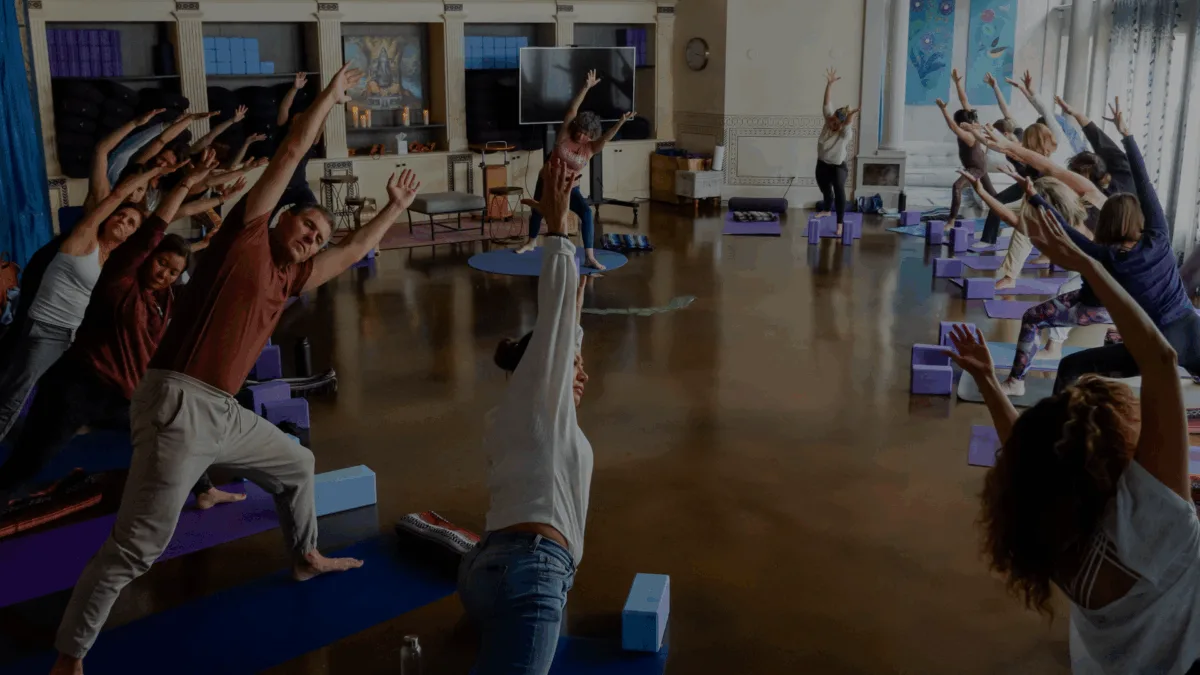
At the Soul of Yoga Institute, every journey begins within a sacred space designed for growth, reflection, and lasting change. Our curriculum embraces the breadth of yoga: its philosophy, energetics, spirituality, and physical practice, so your study reaches beyond the mat.
With the guidance of seasoned teachers who honor tradition, you’ll gain the wisdom, tools, and assurance to share yoga from a place of authenticity and compassion. As a Yoga Alliance-accredited Registered Yoga School (RYS), Soul of Yoga Institute ensures that your yoga teacher training certificate carries the recognition and respect needed to teach with both spiritual integrity and practical grounding.
Yoga Teacher Training and Certifications
At the Soul of Yoga Institute, your pathway adapts to your intention. Start with a 200-Hour Yoga Teacher Training in the style that calls to you. Then move into a flexible 300-Hour Yoga Teacher Training, building toward a complete 500-Hour Yoga Teacher Training credential. For those seeking expanded paths, we also offer IAYT-Accredited Yoga Therapy Certification and a Master’s in Integral Health. Each option is a transformational path guided by teachers of international renown.
Lay the foundation with our Yoga Alliance-accredited 200-hour yoga teacher training. Choose from Hatha/Gentle, Yin, Vinyasa, or Kundalini, and gain the experience, insight, and structure to step confidently into teaching.

Build your own 300-hour curriculum from a broad range of electives and complete four integrating training sequences. Or choose the structured Yoga Therapy Bridge, combining required courses, practicum, mentoring, and Bridge-specific electives as the first 300 hours of the 800-hour Yoga Therapy pathway. Explore the 300-hour page and request its info packet for help planning your path.

Become a Yoga Therapist through one of the few IAYT-recognized schools in the world. This specialized yoga training certification integrates yogic tradition with holistic healing to support transformation of body, mind, and energy.

Earn a Master’s Degree in Integral Health with a focus on Yoga Therapy. This graduate program interweaves yogic practices and holistic psychology, preparing you for professional-level therapeutic and healing work.

Continue your study through Yin Yoga, Shakti Kundalini, Breathwork, Meditation, and Ayurveda. Workshops, immersions, and Independent Study support ongoing learning, practice, and connection.
AN EXTRAORDINARY TEACHING COMMUNITY
The people behind influential yoga books, respected teaching methods, and decades of dedicated practice are part of our learning community.
Across Soul of Yoga’s programs, you can learn from world-renowned educators and experienced mentors in anatomy, meditation, Ayurveda, movement, and yoga therapy. Discover the teachers—and the training path—that could open a new chapter in your practice.
30+faculty and guest teachers
across our training programs
Meet a few of the teachers you could study with

Co-author of Yoga Anatomy
Explore how anatomy and breath inform your practice and teaching.
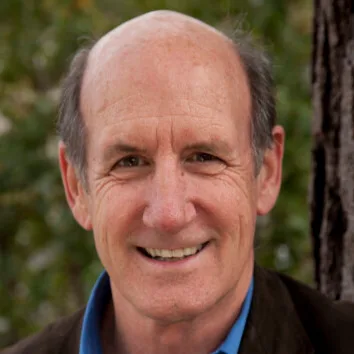
Founder of iRest
Deepen your understanding of meditation, Yoga Nidra, and inner awareness.

Neurologist and Ayurveda educator
Explore the connections between neuroscience, Ayurvedic wisdom, and well-being.
The teachers featured here are just a selection of the many faculty and guest teachers who contribute to our training programs.
Ayurveda & breathwork
Sequencing & anatomy
Alignment & assists
Yin Yoga
Gentle yoga
Accessible yoga
Faculty and schedules vary by program and course.
Your schedule and lifestyle are unique, and so are your learning options. Whether you thrive with live classes, self-paced study, or full immersion, each format provides a complete and transformative yoga training course experience. Feel free to switch between them as needed to best complete your curriculum.


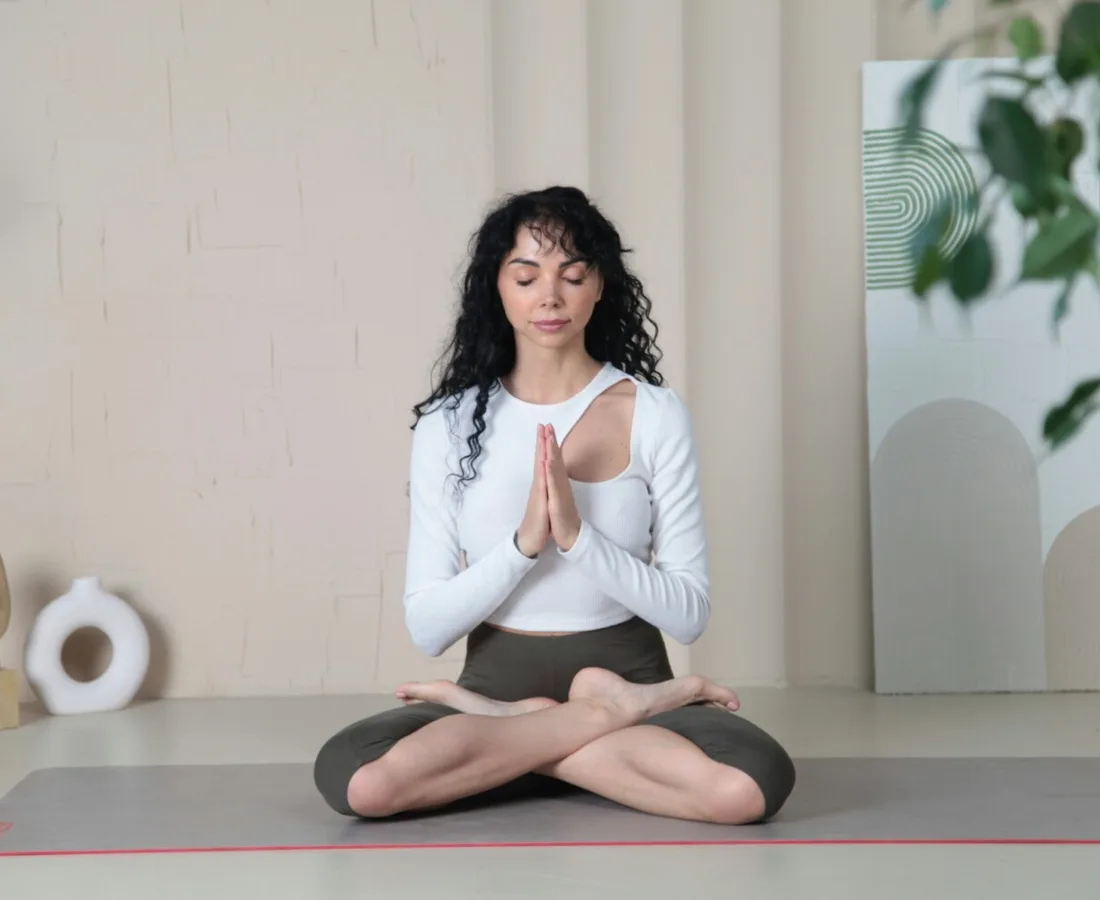
Your Study of Yoga Can Take Many Forms
Yoga can become a more meaningful part of your life in different ways. You may be curious about teacher training, looking for the right program, developing your skills as a teacher, or considering more advanced study.
Wherever you are in that process, we can help you understand the possibilities and make a more informed choice about where to focus your attention.
Explore training resourcesYour questions may change as your practice and experience develop. Start with the one that best reflects where you are now.
You’re interested in going deeper but may not know whether teacher training is right for you. Learn what the experience involves, why students choose it, and how training can support both personal study and the decision to teach.
You’re ready to consider training and want to understand your options. Learn what to look for when comparing programs, certification levels, formats, and areas of study so you can choose with greater clarity.
You’ve completed your foundational training and want to continue developing as a teacher. Find guidance on strengthening your skills, building confidence, shaping your career, and deciding when further education may be valuable.
You’re ready to take your study beyond foundational or advanced teacher training. Learn more about Yoga Therapy, specialized education, and graduate-level study, and the different directions they can open within your work with yoga.
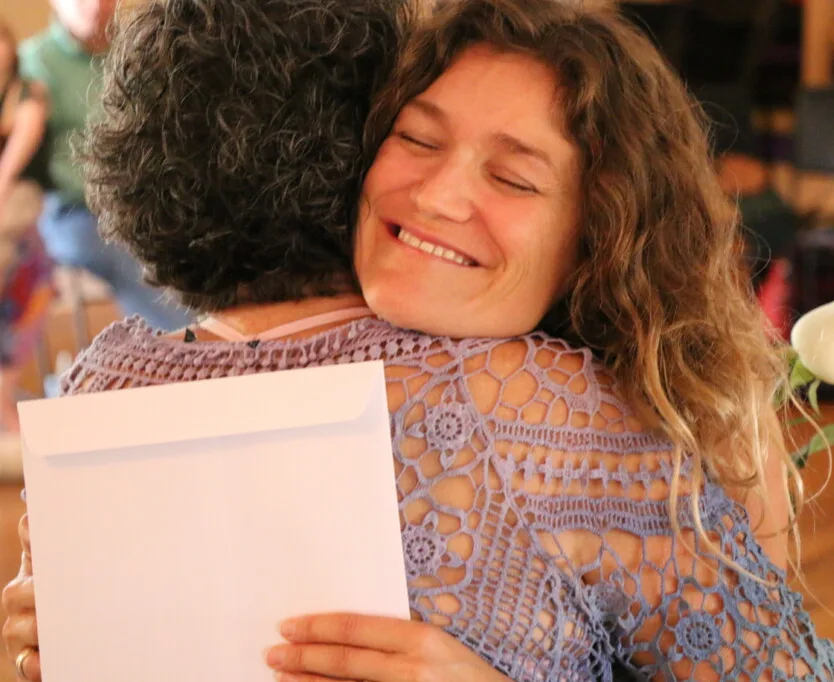
Train with a community anchored in tradition, depth, and purpose. At the Soul of Yoga Institute, our Yoga Alliance–accredited programs are led by seasoned teachers who blend timeless teachings with modern insight and compassionate mentorship. You’ll complete your studies prepared to teach with authenticity and with the confidence to share yoga as a path of healing and transformation.
We believe the road to becoming a yoga teacher should be both accessible and supported. Whether you’re beginning your first training or continuing your studies, we offer straightforward monthly payment plans to help you move forward with ease. No credit check is required.
As a school approved by MyCAA, we warmly welcome military spouses who feel called to this work. If you qualify, our team will guide you step by step and help you apply your education benefits toward the training.
We get several questions that center on the many elements of yoga teacher training. Here are some of the most common.
Absolutely. Anyone, regardless of age, ability, or education, can pursue a yoga teacher training certificate and become a certified yoga teacher. Whether your goal is personal growth or professional teaching, the journey begins with passion and dedication. Enrolling in a yoga instructor certification requires study, practice, and openness. Some students use their yoga training certification to deepen practice without teaching, while others choose to lead classes. Both are meaningful paths.
A strong program offers more than physical practice. It blends philosophy, anatomy, methodology, and guided self-practice. Faculty expertise is key: teachers with lineage knowledge and modern understanding help create a complete experience. Accreditation matters too. Choosing a program with Yoga Alliance teacher training recognition ensures your credential is respected. Lastly, look for mentorship, community, and ongoing support to grow as both a teacher and practitioner.
Becoming a certified yoga instructor requires effort and consistency, but the rewards are profound. Most of the work happens after training, as teaching hours help you refine and expand your skills over time. Far from burdensome, many students say this path is fulfilling and often life-changing. With so many options, choosing the right online yoga teacher course or in-person program is an important first step in ensuring your journey feels supported.
Training duration varies widely. Some intensive residential yoga training courses can be completed in a month, while others spread across weekends or months. Flexible options, like online yoga instructor courses, let you move at your pace. Some students prefer accelerated schedules; others choose gradual integration. With so many yoga certification programs available, it’s about finding the rhythm that fits your lifestyle and goals.
Because there are many yoga certification programs, selecting one with strong accreditation is vital. Recognition by organizations like Yoga Alliance ensures that your yoga teacher training certificate is accepted worldwide. This is especially important if you plan to teach professionally, since most studios and wellness centers prefer credentials from accredited yoga certification programs.
The best format depends on your lifestyle and learning style. In-person yoga teacher training provides immersion, live practice, and hands-on feedback. Online and hybrid models bring flexibility, letting you revisit materials and learn at your own pace. Many students now choose blended options, combining online coursework with in-person intensives to balance convenience with depth.
Think of these three training levels as progressive steps in your teaching journey. A 200-hour yoga teacher training lays the groundwork, equipping you with the essential knowledge and skills to guide students safely and effectively. If your goal is to grow further, a 300-hour yoga teacher training allows you to advance into more specialized studies, expand therapeutic applications, and refine your teaching methodology. Taken together, these programs form a 500-hour yoga teacher training, the most complete option for those seeking comprehensive mastery, advanced study, or long-term teaching careers. The right path depends on your personal vision, whether that’s establishing a strong foundation, pursuing advanced specialization, or stepping fully into mastery.
The 50-hour Breathwork Certification is a standalone program designed to deepen your awareness of breath as a healing practice. Rooted in ancient pranayama and paired with contemporary therapeutic approaches, it provides a complete foundation in the science of breath, professional ethics, and practical application. This course is ideal for certified yoga instructors, healthcare professionals, coaches, therapists, and curious seekers. Whether you want to enhance your teaching, broaden your professional toolkit, or explore breath as a transformative art, this program equips you with the knowledge and embodied experience to support both yourself and others.
For many participants, yoga teacher training is more than an academic process, it’s a spiritual journey. It fulfills a longing for knowledge, builds meaningful community, and often ignites a lifelong love of practice and study.
There are many yoga certification programs to choose from, and each offers a distinct route toward becoming a certified yoga teacher or instructor. Most certifications are structured by training hours: 200-hour, 300-hour, and 500-hour yoga teacher training. The distinction lies in how much time you invest and the depth of knowledge each program provides, making them part of a larger system of recognized credentials.
Most trainings are broken into modules covering yoga philosophy and history, anatomy, physiology, biomechanics, and teaching methodologies. Depending on your path, you may focus on restorative or therapeutic practices, or explore specific styles such as hatha yoga training, kundalini yoga training, ashtanga yoga teacher training, yin yoga teacher training, or vinyasa yoga teacher training as part of your broader yoga training certification.
In a 200-hour yoga teacher training, you will explore multiple dimensions of practice. The curriculum includes yoga philosophy, historical roots of the tradition, foundational anatomy, meditation and breathing practices, and introductory teaching methodology. You’ll also study physiology to understand how yoga supports the body.
This foundational program is designed both for students who want to enrich their personal practice and for those who want to begin learning how to teach. After graduation, many participants register with Yoga Alliance to become formally recognized as a certified yoga instructor. The 200-hour program is one of the most widely pursued entry points within global yoga certification programs.
A 300-hour yoga teacher training takes you beyond the basics, continuing where the 200-hour program concludes. Recognized as advanced-level study, this training lets you dive into areas of personal interest, whether therapeutic applications or more challenging practices.
This program builds on the accredited 200-hour yoga teacher training and is often integrated with modules from yoga therapy certification programs. Think of the 300-hour yoga teacher training as the graduate-level step in the yoga teacher training certificate path. Completion of the 200-hour course is required, ensuring each student advances on a solid foundation while moving toward higher-level yoga teacher or trainer certification.
A 500-hour yoga teacher training allows you to complete both foundational and advanced levels in a single, continuous curriculum. Instead of taking the 200-hour and 300-hour programs separately, all 500 hours are delivered as one integrated sequence. This immersion covers yoga philosophy, advanced teaching methodology, therapeutic applications, and more, giving you a broad set of tools for teaching and self-mastery.
For all three levels, 200, 300, and 500-hour, you can attend in person, choose an online yoga teacher course, or combine both in a hybrid format. This flexibility makes the online option especially appealing for students balancing studies with personal or professional commitments.
Yes. For aspiring teachers, the extended hours beyond a 200-hour and 300-hour yoga teacher training are invaluable. A 500-hour yoga teacher training equips you to tailor practices for students with unique conditions such as depression, osteoporosis, or back pain. You’ll also be introduced to additional practices, including advanced meditation, specialized breathwork, and styles such as vinyasa yoga or yin yoga teacher training.
The additional training expands your professional toolbox, enabling you to serve a broader range of students. Even for those not intending to teach, the depth of study enhances personal understanding and appreciation of yoga philosophy. For professionals in related fields, like psychotherapy, nursing, or health coaching, advanced yoga training certification can strengthen the quality and scope of the services they provide.
If your goal is to teach yoga classes, have private clients or start your own studio, traits like confidence, business sense, and compassion will help you succeed as a certified yoga instructor.
With so many yoga certification programs available, no two trainings are exactly alike. Each reflects the lineage it comes from, what you learn in kundalini yoga training will feel very different from a hatha yoga training course. That’s why it’s important to select a style you genuinely enjoy practicing, since you’ll be spending many hours immersed in it.
Most schools that align with Yoga Alliance teacher training standards include most or all of the following:
Faculty quality also plays a critical role. Strong programs are led by instructors who have years of experience, communicate with clarity and patience, and are available for mentorship. Many students appreciate exposure to styles like hatha yoga teacher training, vinyasa yoga teacher training, and yin yoga teacher training, especially when planning to advance into areas such as yoga therapy certification or higher-level yoga training certification.
Other things it’s important to know about yoga teacher training.
You’ll form close connections with peers, gain clarity about whether teaching is your path, and discover how transformative the process can be. Earning a yoga teacher training certificate isn’t just about reaching an endpoint, it’s about embracing the full journey, with its highs, lows, and everything in between.
The best yoga teacher training format is the one that matches your lifestyle and learning style. When exploring yoga certification programs, think carefully about how you learn most effectively. Do you thrive in hands-on, interactive environments, or do you retain knowledge well through structured study in an online course? Consider also the practical side: Do you have time to commute regularly to classes, or do you need the flexibility of an online course where you can learn from anywhere or catch up with recorded sessions?
In-Person Training
Many studios and students prefer in-person study because it allows for more direct interaction, personal guidance, and hands-on practice. It also gives you the ability to ask questions in real time as they arise, rather than waiting for follow-up communication. If you’re working toward an accredited yoga certification, being in the room with experienced mentors can provide invaluable mentorship and immediate feedback that supports your growth.
Online Classes
Online formats give you unmatched flexibility. You can learn with studios and teachers worldwide without the costs of travel, and you can stay connected even if you’re traveling for work or leisure. When researching an online program, ask whether the sessions are live, pre-recorded, or offered as a combination. Live classes provide the benefit of synchronous learning and community with teachers and peers, while recorded lessons let you study at your own pace. Some schools now blend both into hybrid models, offering the best of both worlds in a yoga teacher training certificate program.
One of the most common questions is: How much does it cost to earn a yoga teacher training certificate? The answer depends on several factors. There are countless types of yoga teacher certification available both locally and abroad, and tuition varies depending on format and faculty.
In-person or residential programs, as well as those with live online instruction, usually cost more than courses built entirely on pre-recorded content. Many students find the higher cost worthwhile because of the direct mentorship, hands-on experience, and personal connection. Traditionally, the bond between teacher and student has been central to yoga learning. That said, the growth of online yoga teacher course formats has made training more accessible for many people, offering a new kind of value.
Faculty expertise also influences cost. The more accomplished and experienced the instructors, the more you may expect to pay. This investment can be worthwhile, as yoga values wisdom, and it takes years of study and practice to convey teachings in ways that are both authentic and relevant.
Fortunately, many schools provide payment plans, spreading tuition across several weeks or months. Depending on the program’s level, personalization, and faculty, tuition can range from hundreds to several thousands of dollars, whether for a 200-hour, 300-hour, or 500-hour yoga teacher training. To ensure value, it’s wise to compare your priorities with the program’s offerings and consult Yoga Alliance teacher training standards before enrolling in any yoga training certification.
When choosing a yoga certification program, take the time to compare options instead of committing to the first one you see. Different studios and teachers bring their own styles, methods, and structures, and one may suit your goals better than another. Reading reviews of specific courses can provide insight into the experience of past students.
Don’t limit yourself to nearby studios. Online training has expanded access, allowing you to learn from teachers worldwide. Many schools offer free information sessions, giving you the chance to connect directly with faculty or even alumni. This helps you build rapport with the teacher and ask important questions before you commit.
Other factors to weigh include the timeframe of completion, whether the lead teachers are actively engaged and responsive, and if the program format works with your life, whether it’s fully in person, hybrid, or an online course. Programs aligned with Yoga Alliance teacher training standards offer added assurance of quality as you work toward becoming a certified yoga teacher or trainer.
Enrolling in yoga teacher training is generally a straightforward process. You’ll usually begin by requesting more information, attending an introductory session, or speaking with a program coordinator to ask questions. Once you decide to move forward, you’ll follow the school’s enrollment steps, which typically include submitting a deposit or payment, signing an enrollment agreement, and receiving access to course materials and schedules.
Some schools may also include a brief interview with a lead teacher or program director to confirm fit and answer final questions before your participation is confirmed. From there, your journey into a yoga training certification officially begins!
Stay open. There are many teaching styles and training models to explore. Experimenting with approaches, whether ashtanga gentle yoga program, vinyasa yoga teacher training, yin yoga teacher training, or advanced paths such as yoga therapy certification, broadens your perspective and enriches what you can eventually share as a certified yoga teacher.
Manage optional tracking below. Videos, classes and newsletter signup are available with either choice. Changes are saved automatically on this browser.
Your browser's Global Privacy Control is active. Advertising measurement is disabled.
Newsletter subscriptions and SMS permission are separate. Turning tracking off stops future measurement; it does not recall data already sent.
If you follow an affiliate referral link, we keep limited first-party referral details on this browser for up to 120 days to credit the person who referred you when you submit an eligible inquiry or make a purchase. This works independently of optional analytics and advertising choices and Global Privacy Control. For a referred inquiry, we share your name, email, phone number, referral code and request identifier with Referral Rock to record and administer the referral.
Videos connect to YouTube when played. Newsletter signup is provided by Emma. Your browser’s privacy signal disables advertising tracking without disabling these features.